What We Do
Three interconnected programs. One mission: protect Maasai livestock and livelihoods.
Coenurosis Prevention Program
The Disease
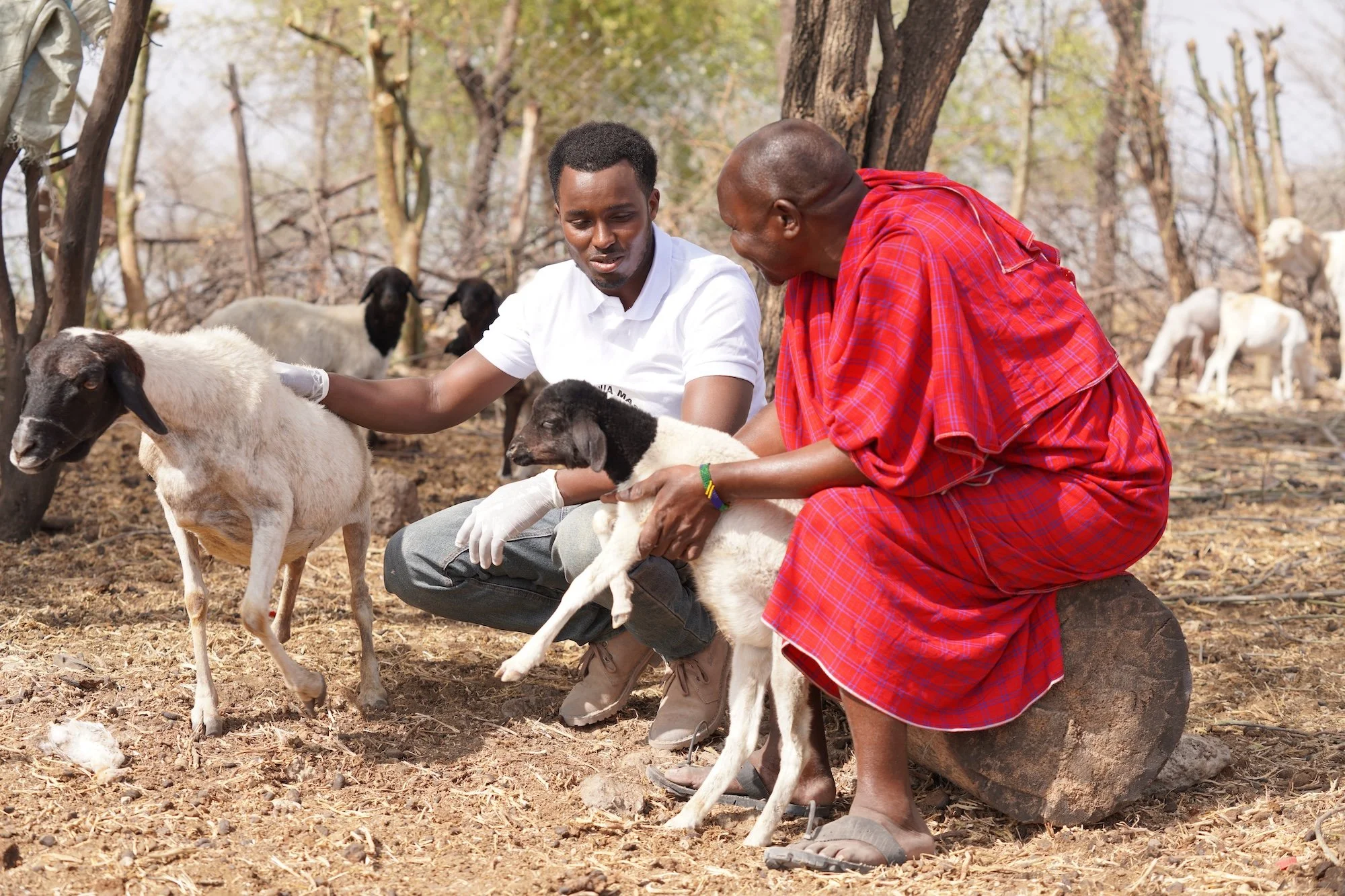
Coenurosis is caused by the larval stage of the tapeworm Taenia multiceps. When goats and sheep ingest tapeworm eggs from contaminated pasture, the larvae migrate to the brain and spinal cord, causing neurological symptoms — circling, head tilting, loss of coordination — and eventually death. For a Maasai family that depends on their herd for food and income, losing an animal to this disease is a serious economic blow.
The Intervention
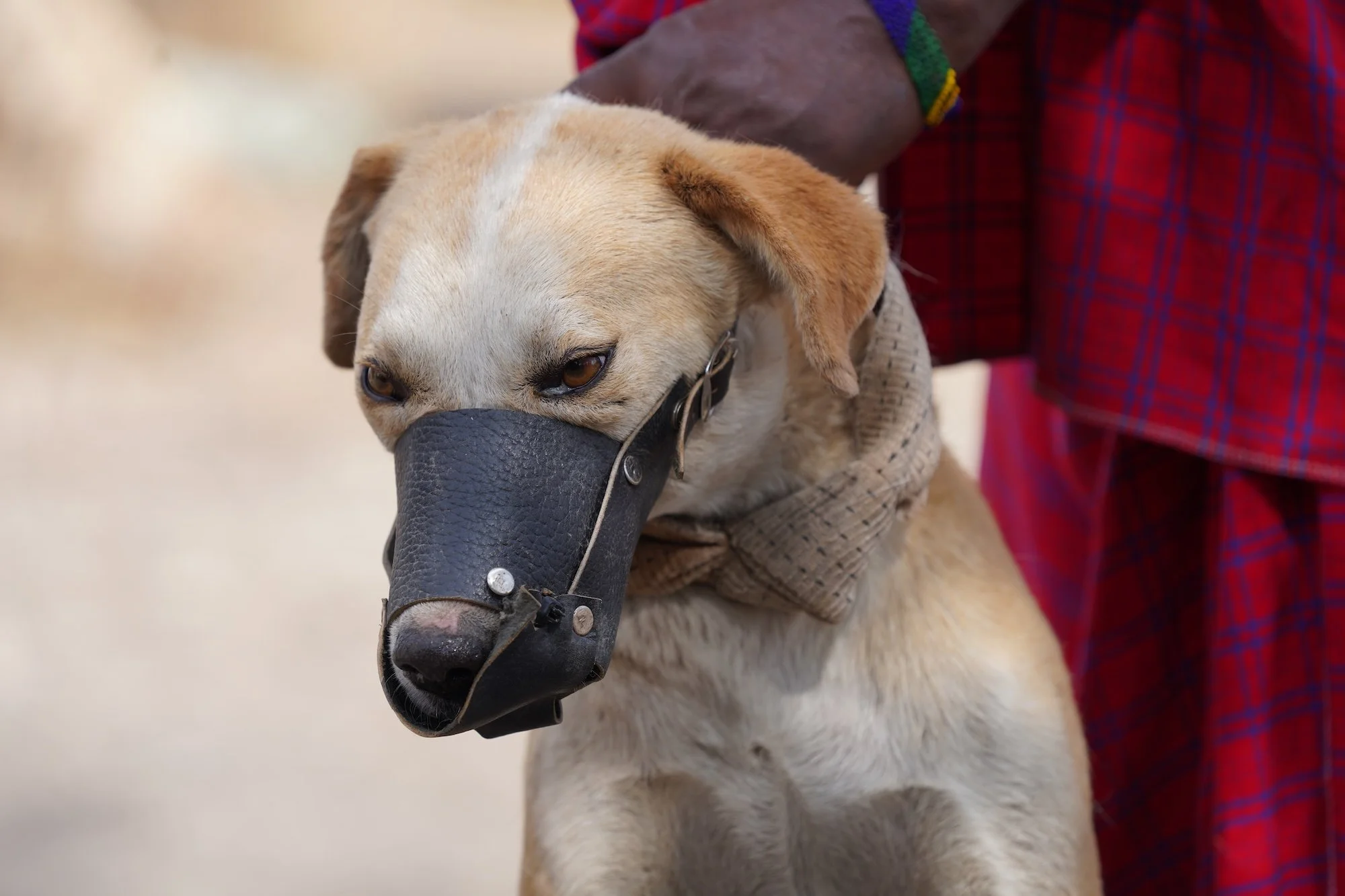
The transmission cycle has a clear weak point: the dogs. Dogs become infected with the tapeworm, shed the eggs in their feces and recontaminate the environment. By deworming dogs regularly, we remove the parasite before it can complete its cycle.
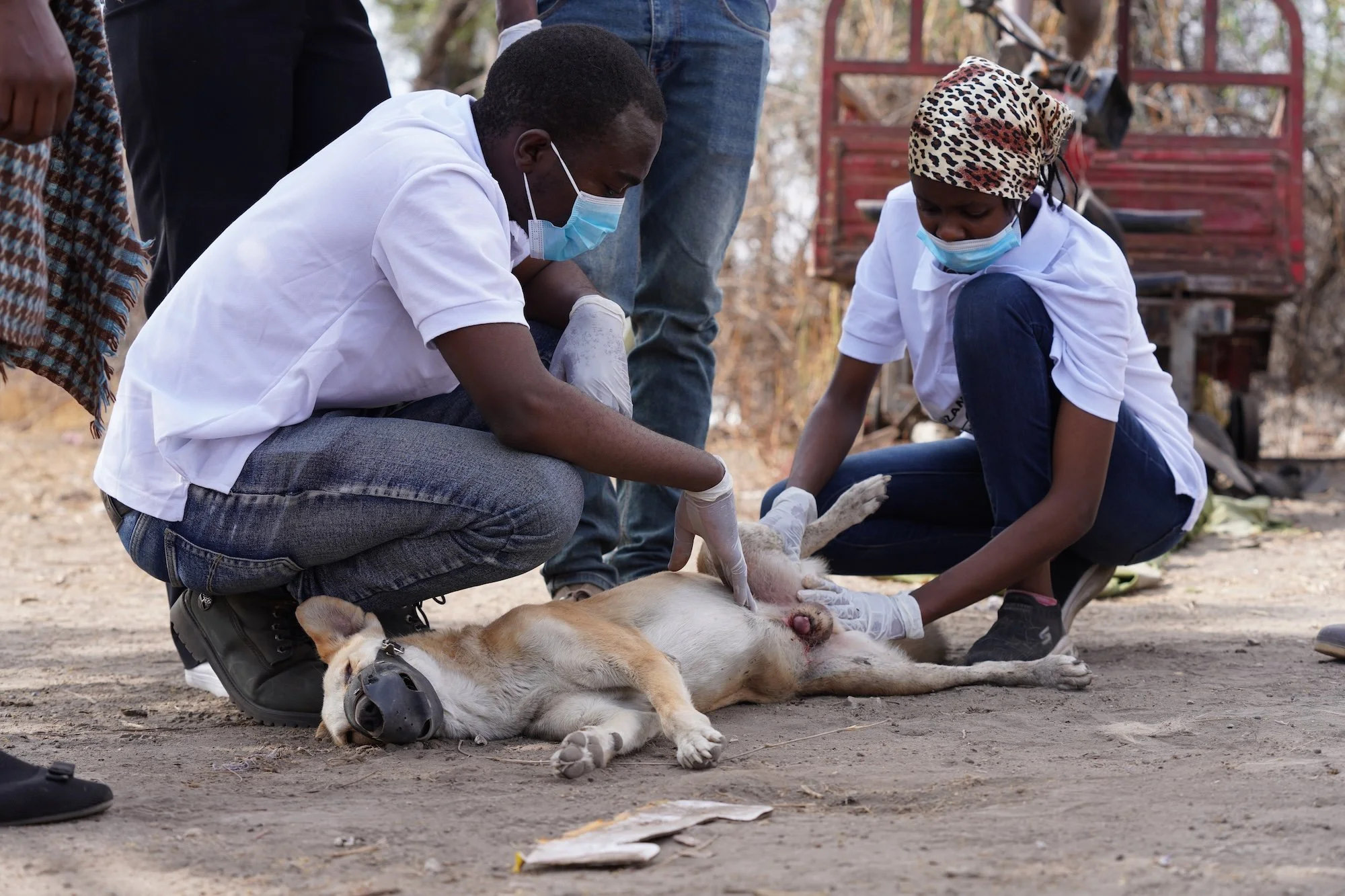
Our teams conduct house-to-house campaigns across Maasai villages in the Manyara Region every quarter. Each dog receives a weight-estimated dose of Zerokrim — a broad-spectrum tablet combining Praziquantel, Pyrantel pamoate, and Fenbendazole — proven effective against Taenia multiceps and other intestinal parasites.
The Results
Since the program began, coenurosis cases in intervened villages have dropped sharply. Households that once lost multiple young goats and sheep to the disease now rarely report seeing symptoms at all.
2025 Deworming Summary:
May 2025: 3,100 dogs dewormed
August 2025: 3,200 dogs dewormed
Rabies Vaccination Program
The Threat
Rabies is one of the most fatal diseases on earth — and in rural Maasai communities, the risk is high. Free-roaming, unvaccinated dogs are the primary reservoir for rabies transmission. Communities in the Manyara Region had been reporting fatalities. Access to post-exposure treatment is limited. Prevention is the only reliable protection.
The Campaign
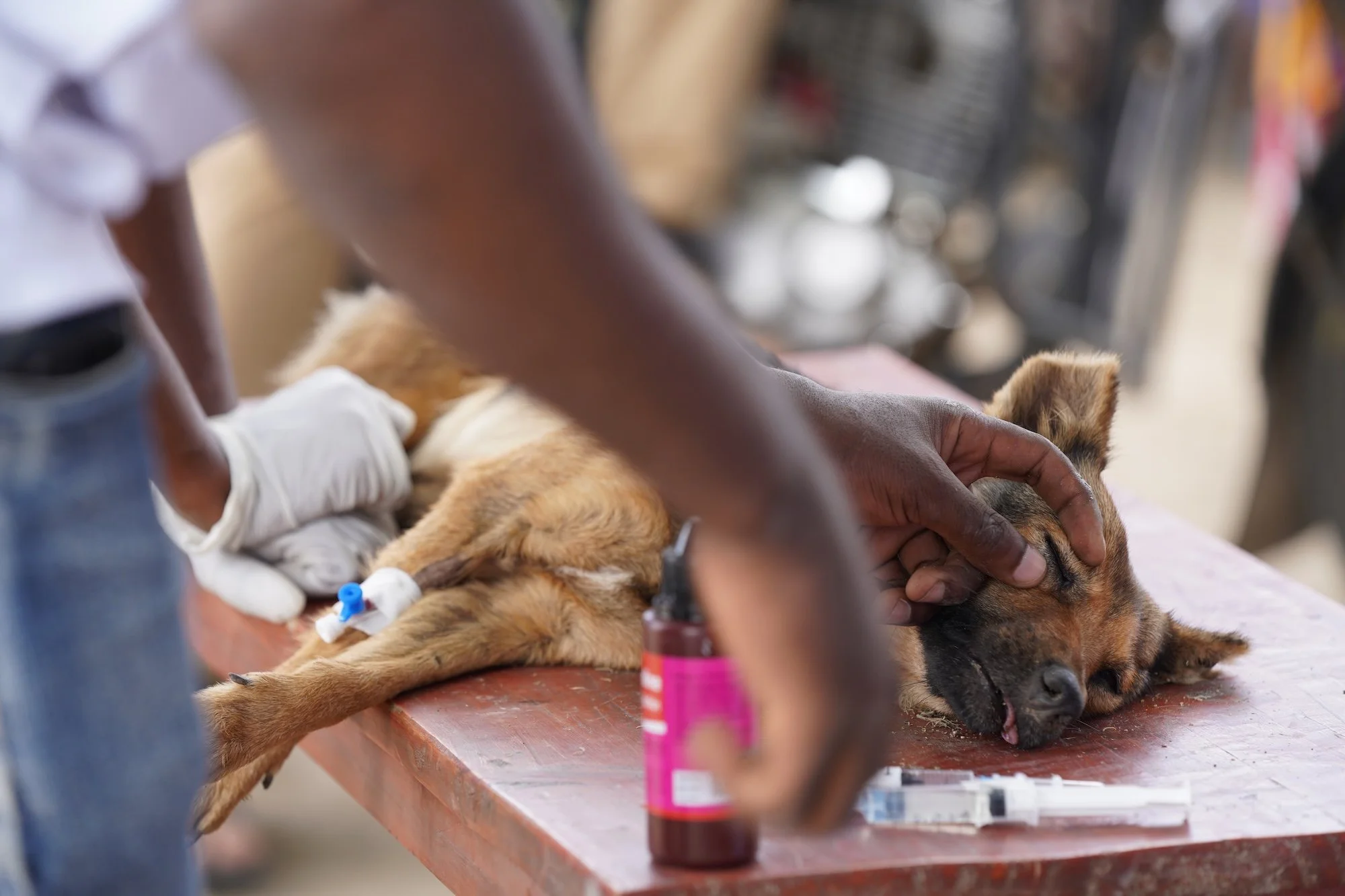
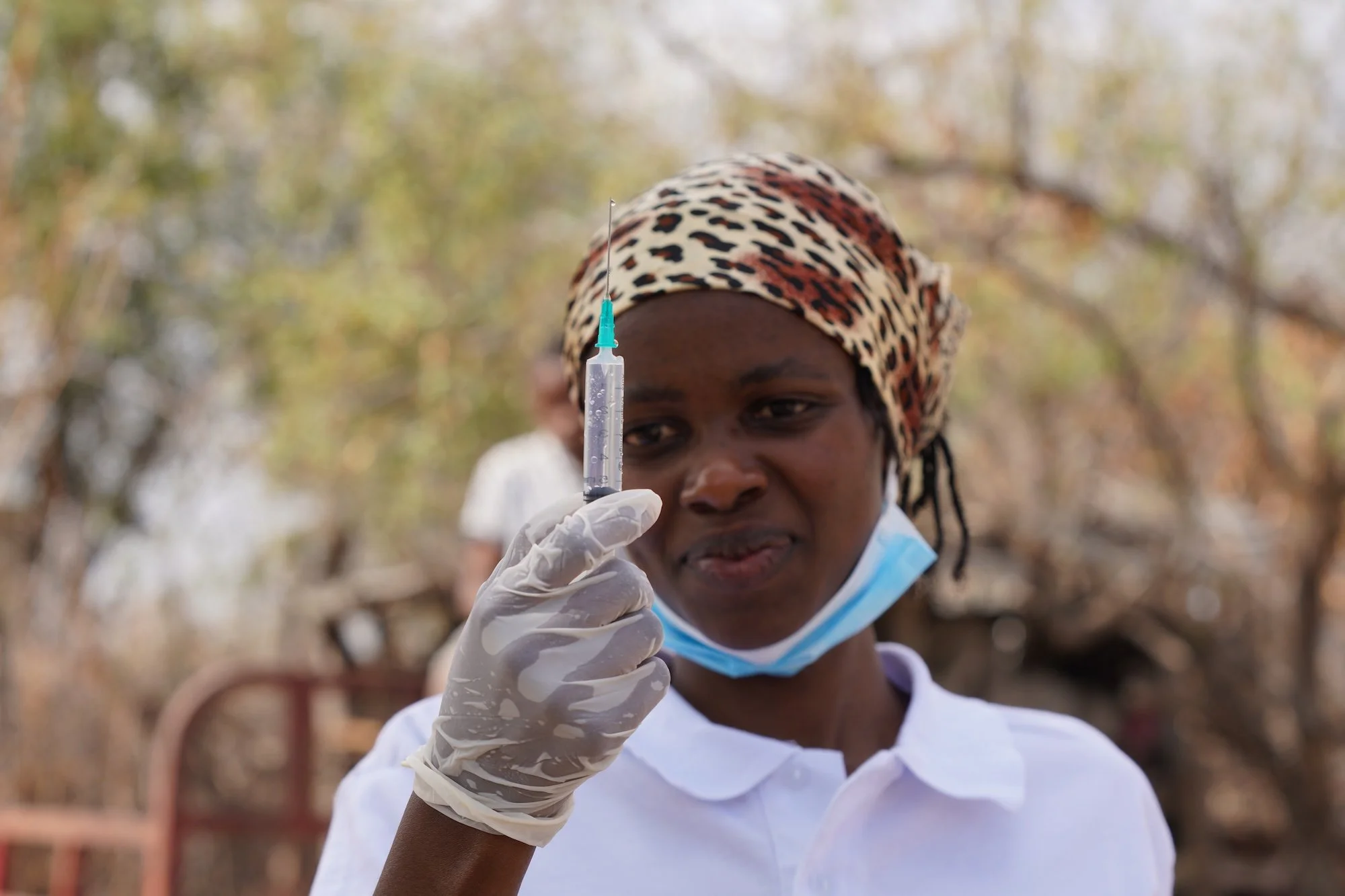
In May 2025, TMAH launched its first mass rabies vaccination campaign across the same communities served by the deworming program. Over seven days, mobile and fixed vaccination units reached households throughout the target villages.
Each vaccinated dog was marked with temporary paint for tracking and its owner received a vaccination certificate — a step toward building a culture of responsible dog ownership in the region.
The Results
3,100 dogs vaccinated in May 2025
Coverage exceeded the WHO-recommended 70% threshold for herd immunity
Community members reported increased awareness of rabies symptoms and prevention
Community Education & Engagement
Veterinary interventions only work if communities trust them and participate in them. From the start, TMAH has invested as much in relationships as in medicine.
Before every campaign, our team works with village elders, community leaders, and local volunteers to prepare communities for our arrival. We explain why dog deworming matters for livestock health, how to recognize early signs of disease, and what community members can do between campaigns — including feeding dogs consistently to reduce scavenging behavior.
Our community liaisons are central to this work. They speak local languages, hold the trust of community members, and bridge traditional Maasai knowledge with modern veterinary practice. Their involvement is a major reason our participation rates remain high.
The results of this investment are visible: over the course of the program, communities have gone from passive recipients of care to active partners. Families help identify dogs, spread awareness among neighbors, and hold their own informal accountability for herd health.
Program Reports
We publish field reports after every campaign. These documents detail the scope of each intervention, the communities served, the results observed, and our plans for the next round.
What's Next
Our next deworming campaign is approaching. We are also planning to expand into neighboring villages to reduce the risk of re-introduction from untreated areas, and to develop a spay and neuter program to address the growing stray dog population.
Every expansion requires funding. Every campaign requires supplies, transport, and the time of a skilled local team.